In our rapidly evolving digital world, software development plays a crucial role in how we interact with
technology. From the apps on your phone to the websites you visit, new features and updates are constantly
being released. But have you ever wondered how developers create and update software so quickly and
reliably? The answer lies in a powerful set of practices called Continuous Integration (CI) and Continuous
Delivery (CD), often referred to collectively as CI/CD. This blog post will break down CI/CD in a way that's
easy to understand, whether you’re a student, a teacher, or simply curious about technology.
What is CI/CD? A Seamless Software Pipeline
Think of CI/CD like an automated assembly line for software. Instead of building a car piece by piece
manually, an assembly line automates each step, ensuring consistency and speed. In software, CI/CD
automates the processes of building, testing, and deploying code.
Continuous Integration (CI) focuses on merging code changes frequently. Developers often
work on different parts of a project. CI means they regularly combine their code into a central place
(like a version control system such as Git). After each merge, automated tests run to quickly find and fix
any problems or conflicts. This ensures the software always works, even as many people contribute.
Continuous Delivery (CD) takes over where CI leaves off. Once the code passes all
automated tests and is stable, Continuous Delivery ensures it's always ready to be released to users. This
means the software can be deployed to a testing environment, or even directly to production, with a click
of a button. It's about being *ready* to release at any time.
Sometimes, people also talk about Continuous Deployment, which is an advanced form of CD. With Continuous
Deployment, every change that passes all tests is automatically released to users without any manual
approval. This is common for web services that need constant updates. These practices are core to modern
DevOps methodologies.
How Does CI/CD Work in Practice?
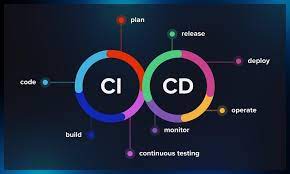
Let’s break down the typical CI/CD workflow step by step:
Code Changes: A developer writes new code or fixes a bug.
Commit to Version Control: The developer "commits" their changes to a shared code
repository (like GitHub or GitLab).
Automated Build: The CI system (e.g., Jenkins) automatically detects the new code and starts
building the application. This involves compiling code, packaging it, and preparing it for testing.
Automated Testing (CI): After building, a series of automated tests run. These can
include unit tests (checking small parts of the code), integration tests (checking how different parts
work together), and more. If any test fails, the developers are immediately notified to fix the issue.
Deployment to Staging (CD): If all tests pass, the Continuous Delivery pipeline
automatically deploys the application to a staging environment. This is a replica of the live
environment where further tests (like user acceptance testing) can be performed.
Deployment to Production (CD/Continuous Deployment): Once approved (or automatically
if using Continuous Deployment), the application is deployed to the live production environment, making
it available to users.
This streamlined process allows for rapid development while maintaining high
quality and stability. It significantly reduces the time from writing code to getting it into users'
hands.
Key Benefits of Implementing CI/CD
Faster Releases: CI/CD dramatically accelerates the software release process. New
features and bug fixes can be delivered to users in hours or minutes, not weeks or months.
Improved Software Quality: Automated testing is a cornerstone of CI/CD. By running
tests frequently and automatically, bugs are caught early in the development cycle, making them easier
and cheaper to fix. This leads to more reliable and stable software.
Enhanced Collaboration: CI/CD promotes a culture of collaboration and shared
responsibility among development and operations teams. Everyone works with a single, continuously
updated codebase, and immediate feedback loops help resolve issues quickly. This is a core tenet of DevOps.
Reduced Manual Errors: By automating repetitive tasks like building, testing, and
deploying, CI/CD minimizes human error. This leads to more consistent and reliable deployments.
Cost Efficiency: While there's an initial investment in setting up CI/CD pipelines,
the long-term benefits include reduced operational costs due to fewer bugs, faster recovery from issues,
and more efficient use of developer time.
Better Visibility: CI/CD pipelines provide clear visibility into the software
delivery process. Teams can easily see the status of builds, tests, and deployments, allowing for better
planning and problem-solving. This is closely related to the importance of logging and monitoring in DevOps.
Who Uses CI/CD? Industries and Teams
Transformed
CI/CD is not just for tech giants; it's adopted by a wide range of
organizations, from small startups to large enterprises across various industries:
Software Development Teams: Any team building software, whether for web, mobile, or
desktop, benefits immensely from CI/CD to streamline their workflows and deliver quality software
faster.
E-commerce Companies: Online retailers use CI/CD to rapidly deploy new features,
promotions, and security updates to their websites and apps, ensuring a seamless shopping experience.
Financial Institutions: Banks and fintech companies leverage CI/CD for secure and
compliant delivery of new banking features, ensuring reliability and quick response to market changes.
Gaming Industry: Game developers use CI/CD to push out patches, new content, and bug
fixes to millions of players, minimizing downtime and enhancing the gaming experience.
Educational Institutions: Universities and coding bootcamps teach CI/CD practices as
essential skills for aspiring software engineers, preparing them for modern development environments.
Cloud-Native Companies: Companies building applications on cloud platforms like AWS or GCP often integrate CI/CD to fully
leverage the scalability and automation capabilities of the cloud.
CI/CD in Your Daily Digital Life
You might not realize it, but CI/CD impacts your daily life in various ways:
App Updates: When you receive an update for your favorite mobile app (e.g., social
media, banking, or gaming apps), it's likely thanks to CI/CD pipelines that enable quick and reliable
delivery of new features and bug fixes.
Website Features: Websites that change frequently, like news portals, social media
platforms, or online stores, often use CI/CD to roll out new features, design improvements, or security
patches instantly and without disruption.
Online Gaming: Many online games utilize CI/CD to keep their software updated, add
new content, and fix glitches without requiring players to download massive, infrequent updates. This
ensures a smoother and more engaging gaming experience.
Cloud Services: The continuous improvements and new features you see in cloud
services like Google Docs or Microsoft 365 are often a result of robust CI/CD processes running behind
the scenes.
Conclusion: Embrace the Efficiency of CI/CD
CI/CD is more than just a buzzword; it's a fundamental shift in how software is developed and delivered.
By integrating continuous processes, automating repetitive tasks, and fostering collaboration, CI/CD
empowers development teams to build higher-quality software faster and more reliably. It ensures that code
is always ready for deployment, leading to better products and happier users.
Whether you're a beginner learning about DevOps, a developer looking to streamline your workflow, or a business
aiming to accelerate your digital transformation, understanding and implementing CI/CD is crucial. It's
the engine that drives modern software innovation, making the digital world we live in more dynamic and
responsive. So, the next time you enjoy a new feature in an app or experience a smooth update, remember
that behind the scenes, CI/CD is making it all happen!
Do you want to learn more about how Kaevor Cloud can help your company overcome modern IT and digital
marketing challenges? Let's have a conversation.
×
Privacy Notice
Effective Date: 20, September 2024
Welcome to My Blog. Your privacy is important to us. This Privacy Notice explains how we collect, use,
disclose, and safeguard your information when you visit our website https://kaevor.org/blog.
Information We Collect:
Name
Email address
IP address
Browser and device information
Usage data, including which pages you visit and how long you spend on them
We may collect this information when you subscribe to our newsletter, comment on blog posts, or use contact
forms.
How We Use Your Information: We use your information to provide, operate, and maintain our
website, respond to inquiries, and send you updates or newsletters (with your consent).
Cookies: We use cookies and similar tracking technologies to monitor website usage. Please
refer to our Cookie Policy for more information.
Third-Party Services: We may use third-party services like Google Analytics to monitor and
analyze web traffic.
Sharing of Personal Data: We do not sell or share your personal data for marketing purposes.
Your Rights: Depending on your location, you may have the right to access, correct, or delete
your personal data.
Data Security: We take reasonable steps to protect your information, but no data transmission
over the internet is completely secure.
Changes to This Privacy Notice: We may update this notice from time to time.
Contact Us: If you have any questions, please contact us at contact@kaevor.org.
×
Cookie Policy
Effective Date: 20, December 2024
Cookies are small text files placed on your device when you visit our website. They help us understand user
interactions and provide a more personalized experience.
Types of Cookies We Use:
Essential Cookies: Necessary for website functionality.
Analytics Cookies: Analyze web traffic and usage patterns.
Functional Cookies: Enhance functionality like remembering preferences.
Advertising Cookies: Deliver relevant ads and track performance.
You can control cookies through your browser settings. By using our website, you consent to the use of cookies.
Updates to This Cookie Policy: We may update this policy from time to time.
Contact Us: If you have any questions, please contact us at contact@kaevor.org.
×
Terms of Use
Effective Date: 20, September
By accessing and using my blog at kaevor.org/blog, you agree to comply
with these Terms of Use.
Intellectual Property: All content on this website is the property of Dexter NJIE.
User Contributions: By submitting content, you grant us a non-exclusive license to use it.
Prohibited Uses: You agree not to use the site for illegal purposes or submit false
information.
Links to Third-Party Websites: We are not responsible for content on third-party sites.
Disclaimer of Warranties: Our website is provided "as is" and we make no warranties regarding
its content.
Limitation of Liability: We are not liable for any damages resulting from the use of our
website.
Modifications to the Terms: We may revise these terms from time to time.
Governing Law: These Terms are governed by the laws of Cameroon and your global IT village
Contact Us: If you have any questions, please contact us at contact@kaevor.org.